
Best Time to Visit Agadir: Weather, Seasons & When to Go
Just Luxury Transfers·22. Juni 2026
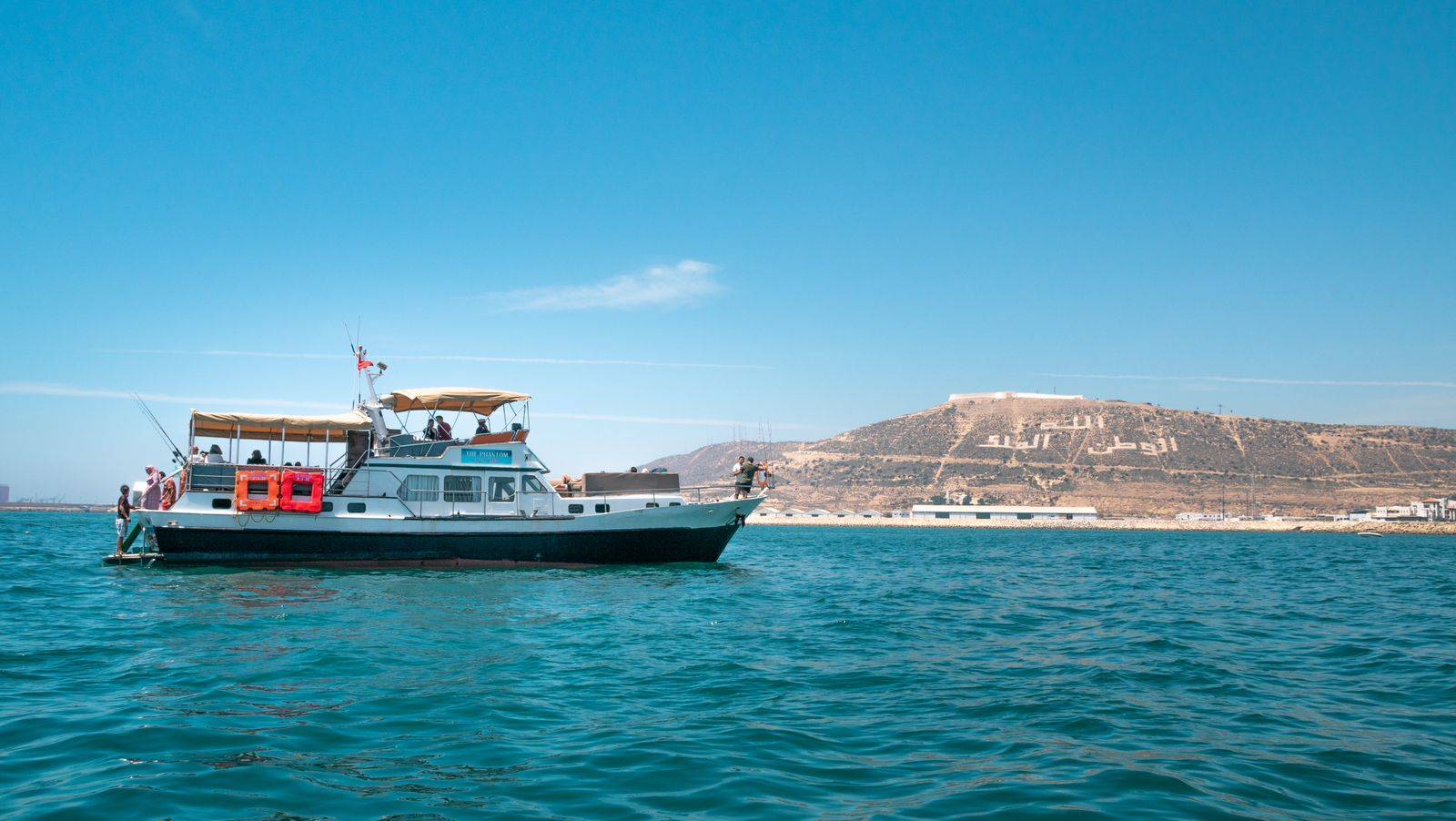
A local concierge's honest, season-by-season guide to when to visit Agadir — and how the weather, crowds and prices shift across the year.
Agadir is a year-round destination thanks to roughly 300 sunny days and mild Atlantic winters. The sweet spot is spring (April–June) and autumn (September–October): warm, dry, comfortable for sightseeing and excursions, without peak crowds. July–August is hottest and busiest; December–February is the quietest, mildest winter-sun escape in Morocco.
For most travellers, the ideal windows are spring (April to June) and autumn (September to October). Daytime temperatures sit comfortably in the low-to-mid 20s°C, the Atlantic breeze keeps things pleasant, rainfall is rare, and the beach, Marina, Souk El Had and hilltop Kasbah are all enjoyable without the midsummer heat or the holiday-season crush. These shoulder months also pair perfectly with day trips to Paradise Valley, Taroudant or Essaouira, where you'll want to be on your feet for hours rather than wilting in 35°C.
That said, Agadir genuinely earns its 'year-round' reputation. With around 300 sunny days a year and unusually mild winters by Moroccan standards, there is no truly bad month — only different trade-offs between heat, crowds and price. Your 'best time' depends on whether you're chasing winter sun, a surf trip, quiet beaches or a packed family summer.
Agadir's Atlantic position softens the extremes you'd feel inland in Marrakech. Summers are hot but rarely brutal thanks to the sea breeze, and winters stay mild and bright rather than cold. Rain is genuinely uncommon, with the little there is concentrated between November and February — and even then it tends to arrive as a short shower rather than a washed-out day.
Peak season runs through July and August plus the Christmas/New Year and Easter holidays. Expect the warmest sea, the liveliest promenade and the fullest restaurants — but also higher hotel rates, busier beaches and transfers and excursions that book out days ahead. If you travel in peak, the experience is excellent; you just need to plan and reserve earlier.
Shoulder season (April–June and September–October) is where Agadir quietly shines: near-identical sunshine, softer prices, and attractions you can enjoy at your own pace. Low season (late November through February) is the connoisseur's choice for winter sun — calm, affordable, and still bright enough for the beach by day, though you'll want a light layer for the evening.
If you're coming for the waves, the calendar flips. Taghazout — about 25 minutes up the coast — has its prime surf season from roughly October to April, when Atlantic swells are most consistent and the famous right-hand points come alive. This overlaps neatly with Agadir's mild winter, so you can chase waves in the morning and still enjoy warm, sunny afternoons.
Summer (June–August) is gentler and far better suited to beginners and longboarders, with smaller, friendlier surf and warmer water. Either way, Taghazout makes an easy half-day or full-day trip from Agadir, and a fixed private transfer means you arrive with your board and gear without negotiating a taxi fare on arrival.
The golden rule: the busier the window, the earlier you book. For July–August, Christmas/New Year and Easter, we recommend reserving your airport transfer and any excursions as soon as your flights are confirmed — popular slots and the better drivers genuinely fill up, and AGA airport has no Uber or Bolt to fall back on if you arrive without a plan.
In shoulder and low season you have more flexibility, but a day or two's notice still guarantees the right vehicle, a meet-and-greet at arrivals and flight tracking so your driver waits even if you land late. Whatever the season, locking in a fixed per-vehicle price up front protects you from peak-period surge pricing and queue stress. If you're unsure of timings, a quick WhatsApp message is the fastest way to check availability and hold your slot.
Travelling with kids in school holidays usually means July–August or Easter — embrace peak season, book early and lean on the coast for the cooler air. Couples and sightseers tend to love spring and autumn for the comfortable temperatures and lighter crowds. Surfers and winter-sun seekers should look to the cooler months, when Agadir is at its most relaxed and affordable. Whichever you choose, the city's reliable sunshine means you're rarely gambling on the weather.
A quick season-by-season look at what to expect across the year — weather, crowds and what each window is best for.
Plan your trip: Book a fixed-price private airport transfer, Browse curated excursions and day trips and Hire a private chauffeur in Agadir.
Planen Sie Ihre Reise? Buchen Sie einen privaten Transfer oder entdecken Sie unsere Ausflüge.